Dynamic Opposites: The “Golden Retriever” partner is openly expressive and seeks constant connection, while the “Black Cat” partner is reserved, independent, and values personal space.
Complementary Strengths: Neither dynamic is better than the other; energetic affection brings spontaneity and warmth, while quiet independence brings stability and calm.
Mutual Respect Over Labels: Healthy relationships aren’t about fitting fixed categories, but rather understanding each other’s needs without creating a cycle of pursuit and withdrawal.
Relationships often bring together two people with very different personalities. One partner may be expressive, affectionate and eager to spend every free moment together, while the other may be quieter, more independent and perfectly comfortable having plenty of personal space.
This contrast has recently been playfully described through the “Golden Retriever” and “Black Cat” relationship archetypes. While these labels are not psychological diagnoses, they offer an interesting way to understand how different personalities can influence attraction, communication and everyday relationship dynamics, shares Shivani Misri Sadhoo who is one of highly experienced couples therapists in Delhi.
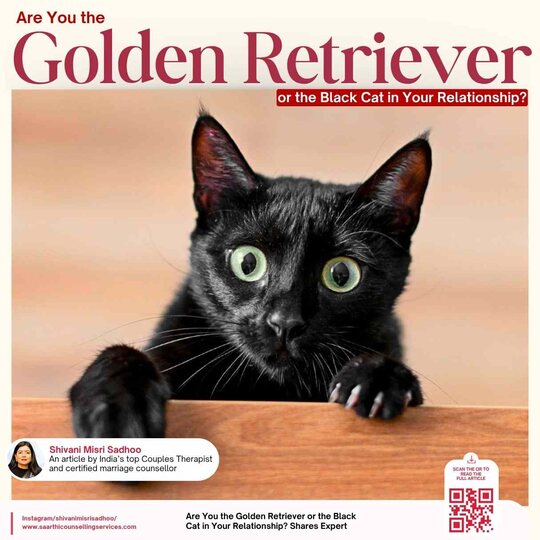
Are You the Golden Retriever or the Black Cat in Your Relationship?
The “Golden Retriever” partner is typically portrayed as warm, enthusiastic, affectionate and openly expressive. They may enjoy constant communication, initiating plans and showing their partner how much they care.
The “Black Cat” partner, by comparison, is often portrayed as reserved, independent and selective about when and how they express affection. They may need more alone time and prefer showing love through actions rather than constant verbal reassurance.
Neither personality is inherently better than the other. In fact, the contrast can sometimes be part of what makes the relationship appealing.
“The golden retriever loves like the sun, loud and reaching; the black cat loves like the moon, steady and still. A lasting relationship doesn’t demand the same orbit, only that both appreciate the light they give each other.” Opines Gottman Level 3 Certified couples therapist in Delhi Shivani Misri Sadhoo.
The Golden Retriever Partner
A Golden Retriever-type partner may be naturally optimistic and emotionally expressive. They might text frequently, enjoy physical affection and feel happiest when they are actively sharing experiences with their partner.
They often bring energy and spontaneity into the relationship. However, if their need for closeness becomes excessive, their partner may sometimes experience it as pressure rather than affection.
The Black Cat Partner
The Black Cat-type partner tends to value independence and personal space. They may take longer to open up emotionally and may not constantly communicate their feelings.
That does not necessarily mean they care less. Their affection may appear through quieter gestures, reliability and being present when their partner genuinely needs them.
Why Opposites Can Attract
The differences between these personalities can create a complementary dynamic. The more expressive partner may encourage emotional openness, while the more reserved partner can bring calmness and stability.
The relationship works best when both people appreciate these differences rather than trying to change each other.
When Personality Differences Become a Problem
Problems can arise when one partner interprets the other’s behaviour negatively. A Golden Retriever-type partner may see the Black Cat’s need for space as rejection, while the Black Cat may experience the other’s constant need for reassurance as overwhelming.
Without communication, these differences can create a cycle of pursuing and withdrawing.
It Is Not About Putting People in Boxes
Real personalities are much more complicated than social-media labels. Someone can be affectionate in one relationship and more reserved in another. Personality can also change depending on circumstances, emotional security and life experiences.
Therefore, the Golden Retriever and Black Cat labels are best viewed as fun descriptions rather than fixed categories.
What Matters More Than Your Relationship Type?
Healthy relationships depend less on whether partners are similar or different and more on whether they understand and respect each other’s needs.
One person may need frequent reassurance while the other needs occasional solitude. The important question is whether they can communicate those needs without making the other person feel inadequate or unwanted.
Ultimately, being different is not necessarily a relationship problem. The real challenge is learning how to make those differences work together rather than allowing them to become a source of misunderstanding.
Protecting privacy without hiding the relationship: Discreet dating allows couples to shield their bond from public and digital scrutiny while still openly acknowledging and honoring their commitment to each other.
Driven by safety, peace, and freedom to explore: Modern couples choose discretion to prevent online harassment or doxing, escape social media validation pressures, and navigate relationships on their own terms.
Grounded in mutual honesty and healthy boundaries: True discretion differs fundamentally from deceitful secrecy; it succeeds through transparent communication, mutual consent, and shared relationship boundaries.
When people fall in love, they are literally walking on air. They do not miss any opportunity to express their joy at having found their soulmate.
Whether it is a coffee date, a selfie at a picture-perfect location, or a romantic dinner for two, every little moment becomes an excuse to celebrate their love, often by sharing with the rest of the world, thanks to social media. However, not everyone believes in turning their love life into a public spectacle.
Secret Dating Boom Advices Relationship Counselor
They don’t want an audience for their romance. It is their own private world. They prefer to keep their dates under wraps, meet away from prying eyes and enjoy the company of each other away from the public eye. Surprisingly, Discreet Dating has become a modern trend, nowadays.
Before we proceed further, let us first understand what Discreet Dating means exactly.
Discreet Dating is all about keeping a romantic relationship private, but not a secret. There is a difference between the two. While discreet dating allows you to keep your personal life away from public scrutiny, secret dating on the contrary involves actively hiding a relationship, sometimes by pretending to be single or hiding a partner from family and friends.
In a nutshell, discretion is about setting boundaries, while secrecy may involve hiding the truth. For instance, a couple may choose not to share their love life with their near and dear ones or post on social media. By doing this, they are not denying their relationship. This is their personal choice. But, if a couple hides their relationship for fear of being judged by others or are guilty of something, it can be considered as secret dating.
Secret Dating Boom Advices Relationship Counselor
“Love does not need a public audience to be meaningful. What matters is the honesty, trust, and understanding two people share, whether their relationship is public or private.” — Shivani Misri Sadhoo, Relationship and Marriage Counsellor.
A relationship can be private without being any less meaningful. The difference lies in the intent: privacy sets boundaries while secrecy can hide the truth.
Why Is Discreet Dating the Modern Choice?
1. Privacy Matters
Yes, perhaps one of the most important reasons why some people prefer to date discreetly is because of privacy. Not everybody likes to showcase their romance in public.
Moreover, it is the question of safety. With too much information available online, sharing details will only invite unwanted attention, judgement or even harassment.
Sometimes, one’s private information is revealed without their consent, a phenomenon known as Doxing. Thus, it is wiser to keep your relationship private, rather than advertise it to the whole world.
2. Makes it Exciting
Sometimes, it is simply the joy of having something special that belongs only to the two of them. In a world where people share almost anything and everything about their life on social media, couples may find discreet dating quite refreshing. It could be a simple walk in the park, a quiet dinner at home, or sharing a bowl of popcorn while binge-watching their favourite series. These little moments can become special when couples can enjoy them without feeling the need to share every detail with the world.
3. Fear of Judgment
We all know that love does not always follow the rules. And, when a relationship goes against society’s idea of what is acceptable, keeping it away from the public eye is perhaps the best thing to do. This is one reason why many couples choose to date discreetly nowadays. Whether it is an extramarital affair, a polyamorous relationship, or a romance that goes against family expectations, the fear of being judged can make people shield their love lives. They may worry about losing friends, facing family disapproval, or damaging their professional reputation, making privacy a safer choice.
Secret Dating Boom Advices Relationship Counselor
4. Fake Promises by Dating Apps
Gone are the days when dating was confined to chance encounters, introductions through friends or carefully arranged meetings. Today, dating apps have opened up a world of possibilities, but just like any other good thing also comes with a lot of demerits. These apps to have brought their share of complications. Instead of mindless scrolling, half-hearted conversations and the pressure to put one’s personal life on display. Many are rethinking what they truly want from a relationship. Thus, discreet dating allows you to view the relationship from a very different perspective, where the couples can explore their connection on their own terms, away from public scrutiny and unnecessary expectations.
5. Freedom to Explore
There is no one-size-fits-all formula when it comes to love. While some swear by monogamy, others find fulfilment in open relationships, polyamory or other forms of consensual non-monogamy. But, when love refuses to follow convention, society can be quick to pass judgment. The fear of gossip, criticism or stigma may prompt couples to keep their romantic lives private. Discreet dating, after all, allows them to explore different kinds of relationships on their own terms, without turning their personal choices into a subject for public debate.
Secret Dating Boom Advices Relationship Counselor
Love does not really need an audience to feel real. Whether it is about privacy, safety, fear of judgment or the freedom to explore, discreet dating offers that liberty to love on their own terms. After all, not all love stories need a public announcement for a happy beginning.
Question 1: What is discreet dating, and how is it fundamentally different from secret dating?
Counselor Insight: Privacy is a shared boundary that builds trust; secrecy is a unilateral barrier that fosters doubt and emotional isolation.
Ans. Discreet dating means choosing to keep your romantic relationship away from the public gaze, social media broadcasts, and casual acquaintances. Both partners are fully aware of and celebrate the bond, but they deliberately draw a boundary around their private sanctuary.
Secret dating, by contrast, is characterized by active concealment, evasion, or deception. In a secret relationship, one or both partners often pretend to be single, hide the other from family or trusted friends out of shame or fear, or conceal an illicit arrangement without consent.
As relationship counsellor Shivani Misri Sadhoo notes, ‘The difference lies in the intent: privacy sets boundaries while secrecy hides the truth.’ In discreet dating, you are protecting what is precious; in secret dating, you are hiding something you are afraid to confront.
Question 2: Why are modern couples increasingly choosing to keep their romance off social media?
Counselor Insight: A romance lived for the camera often forgets to live for each other. Discretion restores sacred intimacy.
In a hyper-connected digital culture, sharing every milestone on Instagram or TikTok invites unwanted surveillance, unsolicited opinions, and comparison from strangers and acquaintances.
First, safety is a practical motivator. Oversharing personal dating details, schedules, and locations can lead to unwanted intrusions, unsolicited messaging, or doxing (having private personal information broadcast publicly without consent).
Second, couples are finding that keeping their dates private makes romance significantly more exciting and genuine. Without the performative pressure to stage picture-perfect photos or seek digital likes, partners can focus entirely on each other, turning simple rituals like a quiet dinner or an evening walk into sacred, undisturbed experiences.
Question 3: Can a discreet relationship be truly healthy, deeply committed, and emotionally secure?
Counselor Insight: Love does not require an audience to be validated. True emotional security comes from internal commitment, not public applause.
Ans. There is a pervasive cultural myth that if a partner doesn’t ‘soft-launch’ or proudly display their relationship on social media, they must not be committed. Psychological evidence shows the exact opposite: public displays of affection often correlate with insecure attachment rather than authentic stability
A relationship can be profoundly committed, loving, and long-lasting without being displayed to an external audience. What matters is the emotional safety, transparency, and loyalty the two individuals share within their private world.
Couples who choose discretion often report fewer external arguments, less interference from gossip or family drama, and greater resilience because their bond is anchored in personal connection rather than external social validation.
Question 4: How does discreet dating protect people from societal judgment and professional repercussions?
Counselor Insight: You owe nobody a front-row seat to your personal life. Protecting your career and peace of mind is an act of self-care.
Ans. Societal expectations around dating remain rigid in many communities and professional circles. When a couple’s connection challenges conventional norms—such as significant age gaps, interfaith or intercultural partnerships, polyamorous structures, or workplace romances—public exposure can trigger severe backlash
In corporate and high-profile careers, an individual’s professional credibility and privacy are paramount. Broadcasting a personal relationship can invite office gossip, biased evaluations, or boundary violations by colleagues and clients.
Discreet dating shields partners from premature external criticism, giving the couple the protective time and space needed to strengthen their connection before deciding if, when, and how to introduce their bond to the wider world.
Question 5: How can couples ensure discreet dating remains healthy and doesn’t devolve into harmful secrecy?
Counselor Insight: If keeping things private makes you feel cherished, it is healthy discretion. If it makes you feel invisible or invalidated, it is toxic secrecy.
Ans. To prevent discreet dating from slipping into toxic secrecy or emotional manipulation (such as ‘pocketing’ or hiding an affair), couples must practice active communication around three key benchmarks:
Mutual Willingness: Privacy must be a joint decision that makes both partners feel valued and protected, never a demand imposed by one partner to keep their options open or hide infidelity.
Inner Circle Awareness: While the relationship is kept off social media and away from casual acquaintances, healthy discretion typically allows trusted inner confidants or close family to know that the couple is happily together.
Regular Check-ins: Partners should periodically discuss how the privacy arrangement feels. If either partner begins feeling hidden, dismissed, or ashamed, the boundaries must be reassessed honestly and with empathy.
Missing someone does not mean they were good for you.
You may be craving connection, validation, or closure.
Judge the relationship by patterns, not only memories.
It can be confusing to miss someone who hurt you. You may know that the relationship was unhealthy, remember the moments when you felt disrespected, and still find yourself thinking about that person or wanting them back. This does not necessarily mean you made the wrong decision by leaving.
Emotional attachment does not disappear simply because someone treated you badly. Feelings, memories, hopes, and unresolved emotions can remain long after a relationship has ended. Understanding why this happens can help you separate genuine compatibility from emotional attachment, shares Shivani Misri Sadhoo who is an eminent marriage counsellor in Delhi.
Why Do You Still Desire Someone Who Hurt You?
One reason is that the mind does not process a relationship only through its negative experiences. You may remember the affection, attention, chemistry, laughter, or moments when the person made you feel special alongside the painful experiences.
When positive and negative experiences exist together, it can become difficult to make sense of the relationship. You may intellectually understand that the person was not good for you while emotionally continuing to crave the connection.
Can Intermittent Attention Make Attachment Stronger?
Yes. When affection and rejection alternate unpredictably, the emotional experience can become particularly difficult to let go of. Periods of warmth, attention, apologies, or affection may create hope that the relationship will return to its better moments. When that attention disappears again, you may find yourself wanting it even more. This cycle can make emotional attachment feel stronger than it would in a consistently healthy relationship.
Are You Missing the Person or the Feeling They Gave You?
Sometimes, what you miss is not necessarily the individual but how you felt when things were good. You may miss feeling wanted, attractive, understood, important, or emotionally connected. You may also miss the future you imagined with that person.
Recognising this difference can be important. Missing a feeling does not automatically mean that reconnecting with the person is the right decision.
Why Do You Remember the Good Moments More?
After a relationship ends, the mind can selectively focus on emotionally powerful memories. A few happy moments may suddenly seem more significant than the repeated experiences that caused pain.
Nostalgia can also soften difficult memories. You might remember a romantic conversation, a special trip, or a loving gesture while temporarily overlooking the disrespect, inconsistency, or emotional distress that accompanied the relationship. This can create an idealised version of the person in your mind.
Does Unfinished Emotional Business Keep You Attached?
Unresolved questions can keep emotional attachment alive. You may wonder why they changed, whether they ever truly loved you, whether you could have done something differently, or whether the relationship could have worked under different circumstances.
The desire for an explanation can sometimes keep you emotionally connected to someone even when the relationship itself was damaging. Closure, however, does not always come from the other person. Sometimes it comes from accepting what the relationship showed you and deciding what you will no longer accept.
Can Low Self-Worth Influence This Desire?
When someone has repeatedly experienced criticism, rejection, or inconsistent affection, they may begin questioning their own worth. They may unconsciously believe that winning the person’s love or approval would prove that they were good enough. This can turn the desire for reconciliation into a desire for validation. A healthy relationship should not require you to earn basic respect or repeatedly prove your worth.
Why Does Letting Go Feel Like Losing?
Ending an unhealthy relationship can involve grieving more than the person. You may also be grieving the future you imagined, the relationship you hoped it would become, and the version of the person you believed they could be. That grief can make separation feel like a mistake, even when leaving was necessary. Allowing yourself to grieve does not mean you should return. It means acknowledging that something emotionally significant has ended.
How Can You Understand What You Really Want?
Instead of asking only, “Do I still love this person?”, consider asking yourself what you actually want from the relationship. Would you want the relationship exactly as it was, including the behaviour that hurt you? Or do you want the version of the relationship you hoped it could become? Looking honestly at patterns rather than isolated memories can help you make a clearer decision.
When Should You Avoid Reconnecting?
Strong feelings are not necessarily evidence that a relationship is healthy. If the person repeatedly disrespects your boundaries, manipulates you, emotionally harms you, or shows no meaningful willingness to change, desire alone should not determine whether you reconnect.
If a relationship involves abuse or you feel unsafe, prioritise your safety and seek support from someone you trust or a qualified professional. Desiring someone who treated you badly does not make you weak or irrational. Emotional attachment can survive disappointment, rejection, and even painful relationship experiences.
The important question is not simply whether you still want the person. It is whether the relationship, as it actually existed, was capable of giving you the respect, safety, consistency, and care you deserve. Sometimes moving forward begins when you stop confusing intense feelings with a healthy connection.
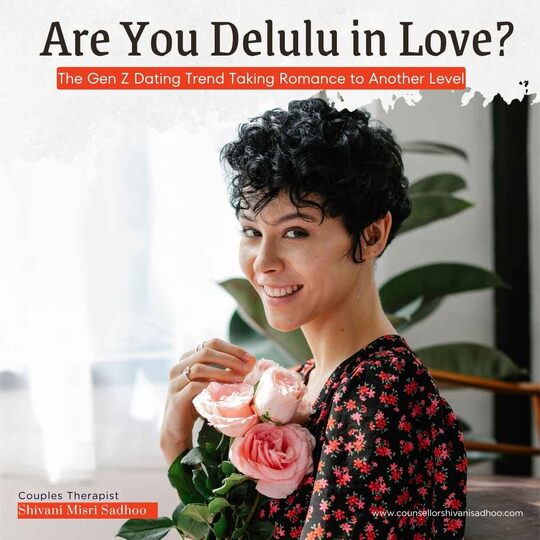
Delulu in love means getting carried away by romantic fantasies and seeing deeper meaning in small gestures.
A little optimism can make dating feel exciting, but ignoring red flags, rejection, or one-sided effort can become unhealthy.
Enjoy the butterflies, but stay connected to reality and pay attention to genuine communication and mutual effort.
.
Falling in love is magical. It always has been. But what we call that magic, and how we experience it, has changed with the times. Once upon a time, love was all about handwritten letters, stolen glances, long waits by the telephone and the innocent belief that one special person could make all the difference.
Today, love comes with dating apps, texting, Instagram, Situationships and an entirely new vocabulary for matters of the heart. And now, Gen Z has given romance yet another twist, turning what was once simply used as slang into a playful way of describing the wonderfully irrational side of falling in love. It is called ‘Delulu’.
The word ‘Delulu’ is short for “delusional”. When someone is ‘Delulu in Love’, it means they are so blindly infatuated with someone that they start fantasizing about a romantic relationship, even when there may be little or no reality behind it. It describes a state of extreme idealism where you ignore obvious red flags, invent deep romantic connections out of minor interactions. A simple morning text or a polite smile or a little extra attention can make you feel special. You start believing in a love story that is unreal and exists mostly in your imagination.
It all began with K-pop (short for Korean pop) fan slang around 2014. The word ‘Delulu’ was originally used for fans who seriously imagined dating or marrying their favourite pop stars. The term later gained popularity on other social media platforms. Today, being “delulu” in love often means happily getting carried away by romantic fantasies, even when reality may suggest otherwise.
How Does One Know if They Are ‘Delulu in Love’?
Some of the ways to know are:
1. Wishful Thinking
One of the biggest signs is when you start seeing meaning in every little thing the other person does. They appreciate your social media posts, reply to your messages promptly, flash you a cute smile or always remember your birthdays. Such sweet gestures are often enough to make you believe that there is definitely something more. But the reality is that there may be no special romantic meaning behind any of this. Sometimes a smile is just a smile. They are being nice to you. That’s all! A quick reply may simply mean they are just courteous and as for liking your social media posts, that could simply mean they enjoyed what you shared. Remembering your birthday could be a simple coincidence or they might be doing it for others as well.
2. No Real Conversations
You may spend hours imagining conversations, dates and romantic moments with someone, while barely talking to them in real life. You may even convince yourself that they understand how you feel. But a relationship cannot grow on assumptions and daydreams.
3. Ignore The Mistakes
When you are deeply in love, you may find yourself making excuses for their behaviour. You tend to ignore broken promises, cancelled plans, lies, etc. because you want the relationship to work. But if these things keep repeating, then they are not considered as small mistakes. They indicate that something is not quite right.
4. When You Chase Them Always
Love should feel mutual, not like something you have to chase. So, if you’re the one who is always calling, texting, checking in or making plans while your significant other is simply busy rejecting your ideas politely or rarely makes the same effort, it is evident that you’re more interested than they are. Love should not feel forced.
Is it Good to Be ‘Delulu in Love’?
Here a few reasons:
1. Being Optimistic
With ‘Delulu’, you tend to become bolder and more confident. Instead of overthinking every text or worrying about rejection, you allow yourself to hope, flirt and take a chance. You may read too much into a smile, but that little optimism can push you to meet someone, express your feelings and enjoy the excitement of falling in love.
2. Everything is Fine
Sometimes, being a little Delulu, that is choosing to believe things are fine instead of jumping to the worst conclusion can make dating easier. If someone takes too long to reply, you might console yourself by thinking they are busy rather than assuming that your special someone has lost interest. This kind of a positive mindset can help you staycalm and confident.
28-Sep-2026Did you know that being a little Delulu in Love can actually boost your mood and lift your spirits? When you imagine the sweet moments, replay conversations or picture a future together, your brain’s feel-good chemical (Dopamine) gets a boost. That is what makes you feel happier and lighter, even before anything serious and meaningful happens.
Is There Something Bad About Being ‘Delulu in Love’?
1. Blurred Reality
As you know, being ‘Delulu in love’ can make you see what you want to see instead of what is actually happening. You may overlook lies, poor treatment, broken promises or a lack of effort because you keep hoping things will improve. You may even make excuses for someone who repeatedly hurts you, making it harder to recognise when it is time to walk away.
2. The Unhealthy Effect
Being a little ‘Delulu in love’ can be fun which is usually harmless. But, sometimes it can even become unhealthy when fantasy takes over reality. If you keep believing someone loves you despite clear signs that they don’t, you may ignore rejection, misunderstand their behaviour and create a relationship that exists only in your mind.
3. Poor Self-esteem
What it does to your self-esteem can be quite damaging. When you keep imagining a relationship that may not exist, every small disappointment can make you question your own worth. You may withdraw from people who care about you, stop enjoying real relationships and become increasingly dependent on unreal connections just for the sake of happiness. Over time, this can leave you feeling insecure, isolated and lonely.
4. Reading Too Much
Sometimes, being “delulu” in love can make you see feelings where none exist. A smile, a quick reply or simple kindness may suddenly feel like a secret message. You may keep looking for signs, even when the other person has shown no real interest. Over time, this can lead to disappointment, obsession and difficulty accepting reality, especially after rejection.
Being a little ‘Delulu in Love’ can make romance exciting, hopeful and fun. But when fantasy starts replacing reality, it can lead to disappointment, confusion and hurt. Enjoy the butterflies, but also pay attention to what is actually happening. After all, Delulu is not always the Solulu (solution) when it comes to love!
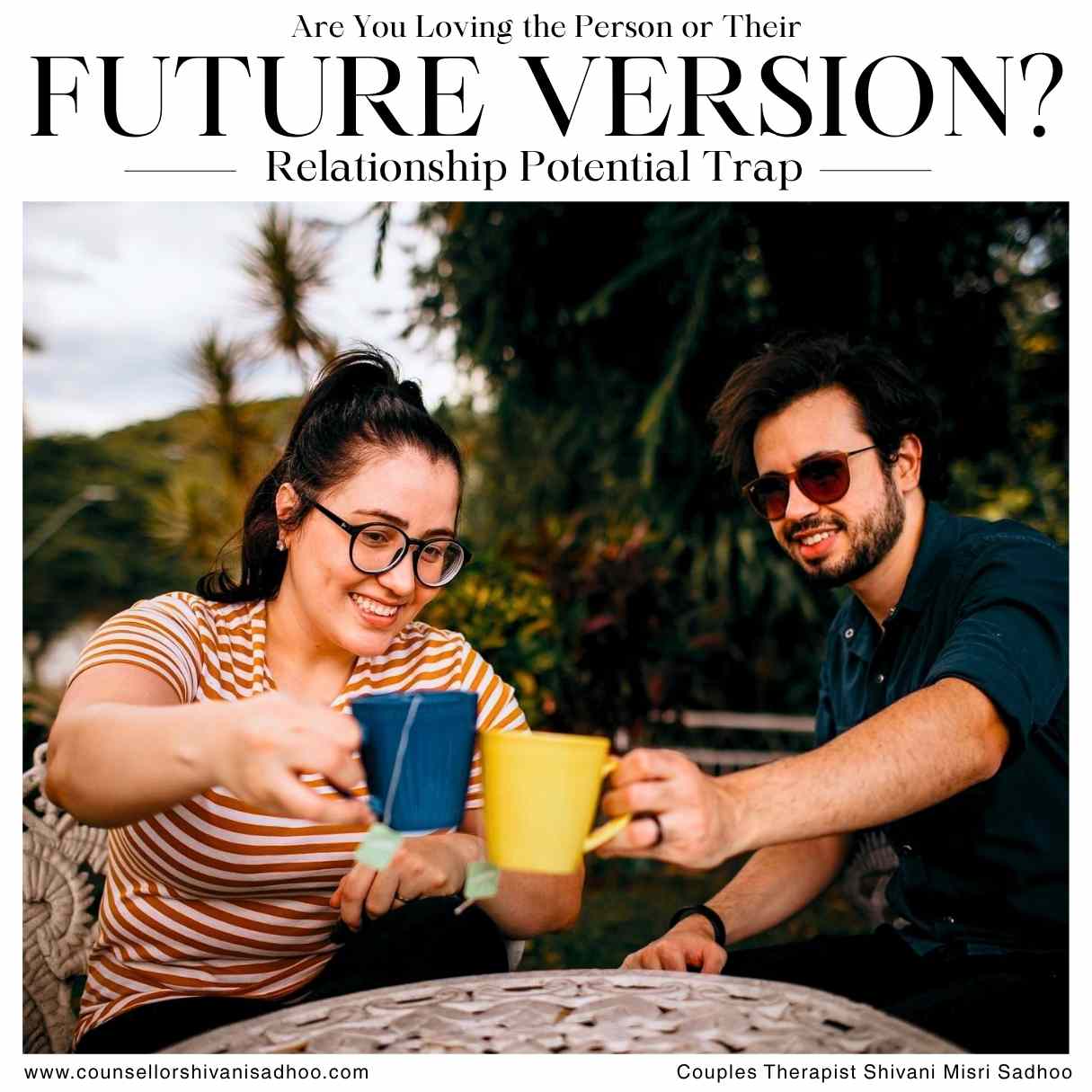
Potential describes who someone might become, while behaviour shows who they are today.
Supporting personal growth is different from waiting indefinitely for someone to change.
A healthy relationship should be evaluated by its present reality as well as its future possibilities.
Sometimes, a relationship can feel full of promise even when the present reality is complicated. You may see how caring, confident, ambitious or emotionally available your partner could become and find yourself deeply attached to that possibility.
But there is a subtle difference between supporting someone’s growth and building a relationship around who you hope they will eventually become. When the imagined future becomes more important than the person in front of you, you may find yourself loving potential rather than reality, shares Shivani Misri Sadhoo who is an eminent couples therapist in Delhi.
Why Does Relationship Potential Feel So Powerful?
Potential gives a relationship a sense of possibility. You may notice someone’s good qualities and imagine how much better the relationship could become if certain things changed.
Perhaps they communicate poorly now but you believe they will eventually open up. Maybe they avoid commitment but you expect them to become ready. Or they have qualities you love, while the behaviours that hurt you are treated as temporary.
Every person can change and grow. However, potential is something imagined, while behaviour is something observable.
Someone may say they want to become more communicative, responsible or committed. Those intentions matter, but their repeated actions provide more information about where they currently stand.
A healthy relationship does not require someone to be perfect. It does, however, require you to recognise the person they actually are rather than constantly adjusting your expectations around who they might become.
One sign of the potential trap is repeatedly making excuses for behaviour that hurts you.
You might tell yourself that they are distant because they have had a difficult past, that they will become more reliable once their career settles down, or that they will eventually understand what you need.
Understanding someone’s circumstances can create empathy, but it does not automatically change the impact of their behaviour on the relationship.
You May Become Attached to the Future
When your emotional investment is based heavily on what could happen, the relationship can start feeling like a project.
Instead of enjoying the relationship as it exists, you may constantly wait for the next stage: when they become more committed, communicate better, change their priorities or finally become the partner you imagined.
This can make the present feel like something you simply have to tolerate until the future arrives.
Supporting Growth Is Different From Waiting for Change
There is an important distinction between encouraging a partner and expecting them to transform.
Supporting growth means accepting that your partner is responsible for their own choices while appreciating genuine progress. Waiting for change can mean staying emotionally invested in a version of someone that does not yet exist.
A partner can grow while remaining fundamentally themselves. You should not have to construct an entirely different version of them in your imagination to make the relationship work.
Pay Attention to Patterns, Not Promises Alone
Words can communicate intentions, but patterns reveal consistency.
If someone repeatedly says they will change but their behaviour remains unchanged, it may be useful to look at what is actually happening rather than relying solely on future promises.
This does not mean people cannot change. It simply means meaningful change is generally demonstrated through consistent behaviour over time.
Ask Yourself What You Are Experiencing Now
A useful way to reflect on a relationship is to temporarily remove the imagined future from the picture.
Consider the relationship as it exists today. Do you feel respected? Can you communicate openly? Are your needs acknowledged? Is there mutual effort? Do you enjoy the relationship beyond the hope that it will eventually become something different?
These questions can help separate genuine compatibility from attachment to potential.
Relationships naturally involve hopes, plans and dreams for the future. Wanting your partner to grow is not inherently unhealthy.
The problem arises when the future version of someone becomes the reason you tolerate an unsatisfying present. A relationship has to exist in the present, not only in the version you imagine it could become.
Recognising the difference between someone’s potential and their current reality can help you understand what you are actually choosing—and what you are simply hoping will happen.
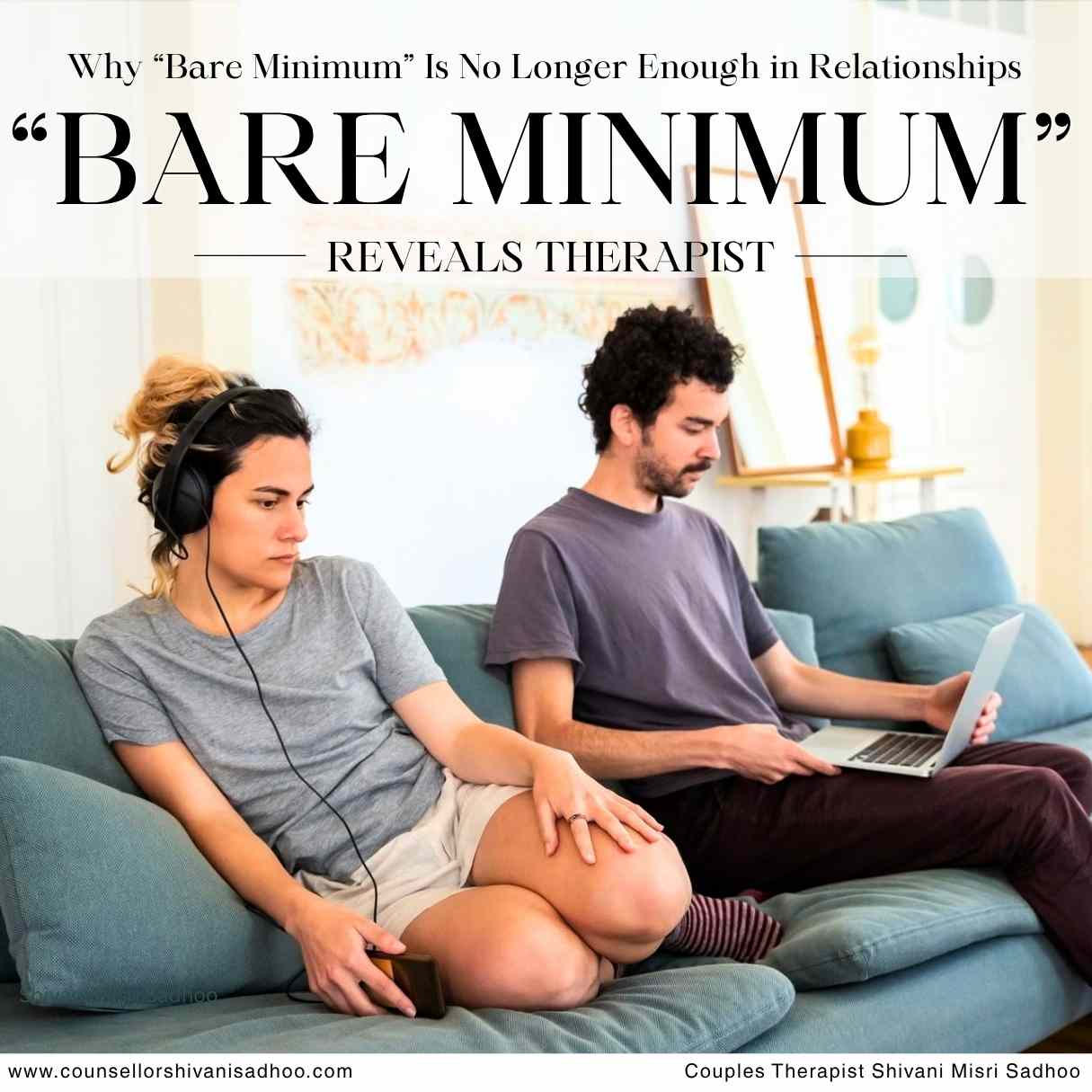
Bare minimum is not enough: Healthy relationships need consistent care, effort and emotional support.
Effort should be mutual: Both partners must communicate, compromise and contribute to the relationship.
Respect and consistency matter: Genuine love is shown through everyday actions, understanding and trust.
Relationships are often built on love, trust, care and mutual understanding. However, in today’s world, people are beginning to question what they truly deserve from a partner.
Simply being present, replying occasionally or avoiding major mistakes may once have been considered enough. Now, many people believe that healthy relationships require more than the bare minimum.
The phrase “bare minimum” refers to the basic effort someone makes to maintain a relationship. While these actions are important, they should not be mistaken for genuine emotional investment.
The bare minimum includes basic actions that should naturally exist in a healthy relationship. These may include being honest, showing basic respect, communicating regularly and remaining faithful.
These are not extraordinary acts. They are the foundation of a relationship. When someone expects praise for doing only these basic things, it may suggest that the relationship lacks deeper effort.
For example, replying to a partner only when convenient, remembering important dates occasionally or offering support only after repeated reminders may not create a strong emotional connection.
A relationship cannot thrive when one person is constantly asking for attention, care or understanding.
People are becoming more aware of emotional well-being, personal boundaries and relationship standards. Social media, conversations around mental health and changing ideas about partnership have encouraged individuals to reflect on what makes a relationship fulfilling.
Many people no longer want relationships where they feel ignored, emotionally unsupported or taken for granted. They want partners who actively participate in building a meaningful connection.
This does not mean expecting perfection or grand romantic gestures every day. Instead, it means wanting consistent effort, emotional availability and a sense that both people genuinely care about the relationship.
Emotional Availability Matters
Being physically present is not the same as being emotionally available. A partner may spend time in the same room but still remain distant, distracted or unwilling to discuss feelings.
Emotional availability means being willing to listen, understand concerns and create a safe space for honest communication. It involves showing interest in a partner’s experiences, fears, goals and emotional needs.
People increasingly want relationships where they can express themselves without feeling judged or dismissed. Emotional support is not an extra benefit; it is an important part of emotional intimacy.
Consistency Is More Important Than Occasional Grand Gestures
A surprise date, expensive gift or romantic message can feel special, but meaningful relationships are built through everyday actions. Consistency often matters more than occasional displays of affection.
Checking in after a difficult day, remembering small details, keeping promises and making time for each other can create a stronger bond than dramatic gestures.
When effort appears only after an argument or when a partner feels they might lose the relationship, it may not feel genuine. Healthy effort should be regular rather than dependent on conflict or pressure.
Communication Should Not Feel Like a One-Person Responsibility
In many relationships, one partner becomes responsible for starting difficult conversations, solving misunderstandings and keeping the connection alive. This can create emotional exhaustion over time.
A healthy relationship requires both partners to communicate openly. This includes discussing expectations, addressing problems respectfully and being willing to listen without becoming defensive.
Good communication does not mean agreeing on everything. It means making an effort to understand each other and finding ways to handle differences with maturity.
Effort Should Be Mutual
A relationship becomes unbalanced when one person is always planning, apologising, supporting and making compromises while the other simply receives the benefits.
Mutual effort does not always look identical. One partner may express love through words, while the other may show it through actions. What matters is that both people contribute in ways that make the relationship feel valued and secure.
When effort is mutual, neither person feels that they are carrying the entire emotional responsibility of the partnership.
Respecting Boundaries and Individuality
Modern relationships are also placing greater importance on personal boundaries and individuality. Being in love does not mean giving up personal interests, friendships, goals or independence.
A supportive partner respects personal space and understands that both individuals need time for themselves. Healthy love should encourage growth rather than create control, fear or emotional dependence.
Respect also means accepting a partner’s feelings, opinions and limitations, even when they are different from one’s own.
Bare Minimum Versus Genuine Care
There is a clear difference between simply avoiding harmful behaviour and actively making a relationship better.
Not lying, not cheating and not being abusive are basic expectations. Genuine care goes further by showing kindness, offering support, making thoughtful decisions and considering how one’s actions affect the other person.
A partner who truly values the relationship does not only ask, “What can I get away with?” Instead, they think about how they can contribute to trust, comfort and emotional security.
Healthy Expectations Are Not the Same as Unrealistic Demands
Expecting more effort does not mean demanding constant attention, expensive gifts or a perfect relationship. Every person has different responsibilities, emotional needs and limitations.
Healthy expectations are based on respect, honesty, consistency and communication. Unrealistic demands, on the other hand, may involve expecting a partner to meet every emotional need or never make mistakes.
The goal is not perfection. It is a relationship where both people are willing to acknowledge mistakes, make improvements and show that the connection matters.
Building Relationships Beyond the Bare Minimum
The changing attitude towards relationships reflects a desire for deeper and more meaningful partnerships. People want to feel chosen, heard, respected and supported—not merely tolerated.
Moving beyond the bare minimum involves small but consistent actions: listening carefully, keeping promises, communicating openly, showing appreciation and making space for each other’s growth.
A fulfilling relationship is not measured only by the absence of problems. It is measured by the presence of care, understanding and shared effort.
A New Standard for Love
The bare minimum may keep a relationship functioning, but genuine effort helps it grow. Love requires more than simply being present; it requires emotional involvement, responsibility and a willingness to show up consistently.
As relationship expectations continue to evolve, people are recognising that they deserve partnerships where effort is mutual and affection is expressed through everyday actions.
A healthy relationship should not make someone grateful for basic respect—it should make both partners feel valued, understood and loved.
Gentle parenting needs boundaries: Empathy works best alongside clear and consistent limits.
Stop endless negotiation: Acknowledge your child’s feelings without changing every rule.
Be gentle but firm: Connection, respect, and discipline can work together without harshness.
You tried to be patient. You explained instead of shouting. You gave your child choices, respected their feelings, and tried to avoid punishments. Yet somehow, you still find yourself repeating the same instructions, dealing with constant arguments, or wondering why your child does not listen.
If that sounds familiar, it does not necessarily mean you are doing parenting wrong. The problem may be that what you were practising was not actually balanced gentle parenting—it may have become permissive parenting without enough structure or boundaries, shares Shivani Misri Sadhoo, an experienced couples counsellor in Delhi.
Why Did Gentle Parenting Fail You?
For some parents, gentle parenting fails to deliver the results they expected because empathy was emphasised while boundaries, consistency, and consequences were left out.
Parents may begin believing that every emotion needs to be acknowledged immediately, every request deserves a choice, and every conflict needs a long explanation. Over time, this can turn ordinary parenting situations into lengthy negotiations.
A child says no. The parent explains.
The child says no again. The parent explains more.
The child has a meltdown. The parent changes the decision to keep the peace.
Eventually, the child may learn that protesting, arguing, or becoming upset can delay a boundary or even make it disappear.
That does not mean the child is manipulative or that gentle parenting itself is wrong. It means the approach has lost its balance.
One of the biggest reasons gentle parenting can feel ineffective is when parents confuse respect with permissiveness. Respecting a child’s feelings does not mean allowing every behaviour. A child can be angry about bedtime, disappointed about losing screen time, or upset about leaving the playground—and the boundary can remain.
For example, instead of repeatedly negotiating bedtime, a parent can say:
“I know you want to keep playing, and I understand that you’re upset. It is still bedtime.”
The child’s emotion is accepted. The limit remains.
Too Many Choices Can Create More Conflict
Giving children choices can be helpful, but offering choices for everything can become exhausting for both parent and child. A child does not need to decide whether bedtime should happen, whether homework should be completed, or whether they should brush their teeth. Those are parental responsibilities. Choices work best within boundaries.
“You can wear the blue shirt or the green one” gives a child control without giving away the entire decision.
Endless Explanations Can Weaken a Boundary
Another reason the approach may fail is over-explaining.
Parents sometimes believe that if they explain a rule well enough, their child will eventually agree with it. But children do not always need to understand or approve every decision before following it.
A simple, calm instruction can be more effective than a five-minute lecture.
The goal is not to win an argument. It is to communicate the boundary clearly and follow through consistently.
Inconsistency Makes Boundaries Confusing
A boundary only works when a child knows that it will actually be maintained. If screen time ends at 7 p.m. one day but continues until 9 p.m. after enough complaining the next day, the child receives an unclear message. They may keep testing the boundary because its outcome changes.
Consistency does not mean being rigid. It means making expectations predictable.
What Should You Do Instead?
You do not have to abandon everything gentle parenting taught you. Keep the empathy. Keep the connection. Keep respectful communication.
But add firm boundaries, clear expectations, appropriate consequences, and consistency.
Instead of asking, “How can I stop my child from getting upset?” try asking, “How can I help my child handle being upset while I maintain the boundary?”
That shift can change the entire approach.
Connection and Discipline Can Coexist
Children need to know that their feelings are safe while also learning that their behaviour has limits.
You can say, “I understand you’re angry,” without saying, “So you can hit your sibling.”
You can say, “I know you’re disappointed,” without changing the rule.
You can comfort your child after a difficult moment while still holding them accountable for inappropriate behaviour.
Being gentle does not mean removing every uncomfortable experience.
Children also need opportunities to experience disappointment, frustration, waiting, and hearing “no”—with a supportive adult helping them learn how to manage those emotions.
A Better Way Forward
If gentle parenting failed you, perhaps the answer is not to become stricter or harsher. Instead, it may be time to become clearer and more consistent.
Be warm, but hold the boundary.
Listen, but do not endlessly negotiate.
Validate feelings, but do not excuse harmful behaviour.
Give choices, but only where choices are appropriate.
And remember that a child’s unhappiness with a boundary does not automatically mean the boundary is wrong.
Gentle parenting works best when gentleness is paired with guidance. Children need both the reassurance of knowing they are loved and the security of knowing that some limits will not change simply because they protest.
Fear of commitment can make people withdraw as relationships become serious.
Past hurt, fear of losing freedom, or rejection can trigger emotional distance.
Pulling away does not always mean love is gone; sometimes it reflects personal fears.
When you meet someone and fall in love, everything seems magical in the beginning. Conversations seem endless, you wish that time stops forever, and wait for those romantic dates. Before you know it, a stranger has actually become the most important part of your everyday life.
Your day is incomplete without talking to the person you love. You can’t imagine a day without them. Just when you start dreaming of a future with your favourite person and discuss your future goals together, something changes drastically.
The relationship moves beyond attraction and excitement. Conversations become deeper and expectations begin to emerge. You may meet each other’s families, make plans together or simply become more emotionally invested. And, strangely enough, this is often when one person begins to retreat.
Calls become less frequent. Replies take longer. Plans are postponed. The warmth that once came effortlessly now feels strangely measured.
So, what is happening exactly?
If you are also wondering why do people pull away just when the relationship gets serious, then this article might be interesting for you. Let’s read what eminent marriage counsellor, in Delhi, Shivani Misri Sadhoo has to say about this.
How do you know that your partner is pulling away?
Some of the signs that may include some or all the below given points:
1. Less communication: Yes, this is perhaps one of the tell-tale signs of someone pulling away from a relationship. They avoid long conversations, especially the ones that talk about future goals and aspirations.
2. Avoid calls/ messages: Your partner has suddenly started avoiding your calls or maybe responding late for your messages. Another sign that they are clearly ignoring any kind of interaction at the moment.
3. Lack of Intimacy: You are being ‘stonewalled’ every now and then. The person who once eagerly shared their thoughts, feelings and everyday experiences with you is suddenly becoming distant. There is an emotional distance between the two of you. This could be a subtle sign of the partner trying to pull away fearing that the relationship is taking a serious turn.
4. Sudden Irritation: The person who always used to listen to you calmly gets irritated or angry nowadays.
These are just some of the signs that one can notice when a person tries to pull away from a relationship.
What are the reasons of pulling away from a relationship when it starts getting serious?
Some of the reasons are:
1. Fear Of Commitment
One of the biggest reasons why many people pull away the moment a relationship starts getting serious is fear of commitment. When you are dating things often feel light and casual. You enjoy each other’s company without necessarily having to think too far ahead. You take each day as it comes without worrying about tomorrow. But as the relationship deepens, the equation begins to change.
Suddenly, future goals become important. Expectations grow and one starts discussing about family responsibilities. For some, this can feel a bit too much to handle. They start feeling nervous. Instead of confronting those fears, they may choose to retreat or pull away from the relationship.
2. Past Trauma/ Past Negative Experience
Past trauma or a painful relationship in the past can quietly shape how someone responds when a new relationship begins to feel serious. If they have once been betrayed, abandoned, controlled or deeply hurt, commitment may trigger those old fears all over again. They do not want to experience the same unhappiness and hence prefer to pull away from the relationship when it gets serious.
3. Fear Of Losing Freedom
Yet another reason people pull away when a relationship becomes serious is the fear of losing their independence. The very thought of sharing every little part of life, be it their room, same routines, even being seen in pyjamas with dishevelled hair can feel strangely uncomfortable.
They don’t feel at ease. Although it does not necessarily mean that there is no love in the relationship anymore, but it’s just that they may fear losing the freedom and private space they have grown accustomed to. And when commitment begins to feel like a surrender of that independence, they instinctively retreat, seeking distance before they feel they have lost themselves.
4. Lack Of Emotional Presence
Not every withdrawal means someone has stopped caring. Sometimes, it could be a busy schedule, family troubles, poor health or a personal crisis or poor health condition that may be responsible for this unintentional distance between the partners. Psychologists call it Situational Emotional Unavailability, and with time, understanding and support, it can often pass.
Chronic Emotional Unavailability, however, is different. It is a recurring pattern: whenever emotional intimacy deepens, the person instinctively creates distance. They may feel deeply, but have learnt to protect themselves by keeping those feelings safely out of reach. And this is exactly when relationships become complex. One partner seeks greater proximity, while the emotionally unavailable partner feels overwhelmed and pulls away.
5. Afraid Of Being Rejected
Nobody would want to suffer from the pain of being rejected by someone they deeply love. For some, that fear becomes so powerful that they would rather pull away than risk being hurt. It’s like saying ‘goodbye’ first before the other person says it. They don’t want to be tagged as a loser. But, the saddest part is that they are still in love, yet they prefer to save themselves from being hurt.
Thus, it is evident from this article that people sometimes pull away from relationships for various reasons. This could be fear of commitment, past trauma, fear of losing one’s independence, emotional unavailability or fear of rejection. Sometimes stepping back doesn’t mean love has disappeared.
It simply means that a person might be struggling with their own fears. Let’s not misunderstand these people always. But if someone chooses to pull away simply because the love is no longer there, it is better to be honest than to leave the other person confused, waiting and wondering what went wrong.
Marriage thrives on trust, emotional maturity, and mutual respect.
Comfort, patience, and healthy conflict resolution build lasting relationships.
Shared values and aligned life goals strengthen a lifelong partnership.
When you start dating someone, it’s only natural to be drawn to qualities that make your heart skip a beat, such as kindness and generosity, a good sense of humour, caring and compassion, and intelligence, to name a few. But you really do not bother so much, as you know that probably your current date may not be your life partner.
Since the future of such a relationship remains uncertain, many people tend to overlook habits, values, or personality traits that may seem insignificant in the excitement of new love. Marriage, however, is a different ball game. It is not about fleeting attraction or romantic highs. It is about choosing someone with whom you will live forever.
Someone who will stand beside you through celebrations, disappointments, setbacks, and milestones. The questions you keep thinking about become more relevant. Is this the right person for me? Do we have things in common? Will we evolve together instead of drifting apart? There are just a few of the many questions that begin to occupy our minds before taking the plunge.
This is perhaps one of the questions that we keep thinking about when we are about to marry someone. Do you genuinely feel comfortable with this person? The person you choose to marry should be someone with whom you never have to perform, explain yourself constantly, or worry about saying the wrong thing. You should be able to laugh freely, sit together in comfortable silence, have honest conversations without fear of being judged, and simply be yourself.
While grand romantic gestures make for beautiful moments, they don’t sustain a marriage; comfort does. You should be able to make happy memories with that person rather than feeling emotionally exhausted. When your prospective life partner accepts the way you are and does not try to change you, you feel respected and valued. This is an incredible feeling in a relationship.
2. Trust Matters
Another important factor that determines whether someone is truly marriage material is ‘trust’. Without it, even the strongest attraction begins to lose its meaning. Trust is the quiet confidence that your partner will stand by you, keep their word, and remain honest even when life becomes difficult. You know that you can rely on your partner and share the deepest secrets with them without thinking twice.
It means not having to second-guess their intentions or constantly seek reassurance. A marriage built on trust allows two people to feel secure, vulnerable, and completely themselves, knowing they are safe in each other’s hands.
3. Emotional Maturity
Emotional Maturity is one of those indispensable qualities to look for in a life partner because marriage demands far more than love: it demands understanding, restraint, and grace. A mature person neither suppresses emotions nor allows them to dictate every reaction.
Such individuals possess the rare ability to empathise, communicate, and grow alongside another person. In the long journey of marriage, this quiet steadiness often proves far more enduring than charm or chemistry.
4. Patience Matters
Patience is perhaps the most underrated virtue in the pursuit of marriage. In a world intoxicated by instant gratification, the temptation to settle for immediate chemistry often eclipses the wisdom of waiting. Yet a life partner is not someone chosen for a season but for a lifetime. Yet a life partner is not someone chosen for a season but for a lifetime.
Patience allows infatuation to yield to insight, revealing character beneath charm, consistency beneath promises, and resilience beneath perfection. The right person is rarely discovered in haste; they are recognised through discernment and quiet observation.
5. Aligned Life Goals
Marriage is not merely the union of two hearts: it is the convergence of two journeys. Love may ignite the spark, but shared aspirations keep the flame alive. So, before saying ‘yes’ to your prospective life partner, it is worth asking whether your ambitions complement each other.
Do you envision a similar future, support one another’s dreams, and find purpose in the same milestones? When two people move in the same direction, they are not just building a marriage; they are creating a life with intention, resilience, and meaning.
6. Conflict Resolution
When you are choosing a life partner, conflict resolution is a trait that is very important. Do not ignore it. Affection may bring two people together, but it is wisdom under pressure that determines whether they stay together. Every marriage will encounter disagreements, unexpected crises, and difficult decisions. The real question is not whether conflict will arise, but whether your partner can handle it with maturity, empathy, and sound judgment.
One needs to remain calm and composed when tackling such difficult situations. The person who can settle matters amicably without getting agitated or angry, and takes the right decisions at the right time, is far more likely to build a marriage that endures than someone who simply excels at romance.
A marriage is less about finding the perfect person and more about choosing someone whose values, character, and commitment align with yours. Love may begin a relationship, but trust, emotional maturity, patience, shared goals, and mutual respect help it to endure. These qualities create the foundation for a partnership that can truly stand the test of time.
Paperclipping is when someone reconnects after ghosting without genuine commitment.
It often creates emotional confusion and can reopen old wounds.
Healthy relationships require consistency, accountability, and respect.
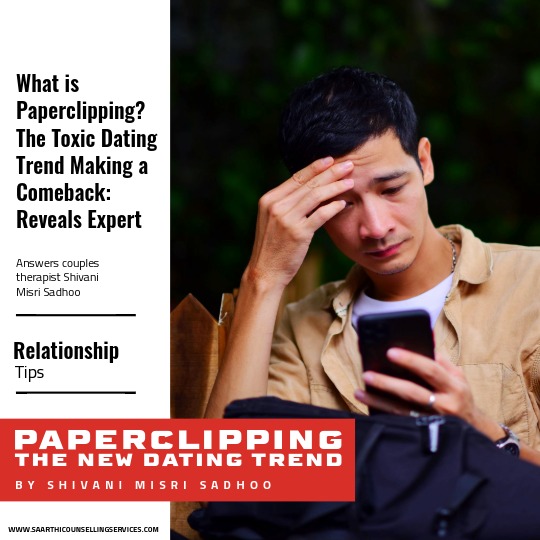
Dating trends continue to evolve with the rise of social media and dating apps, bringing new relationship behaviors into the spotlight. One term that has recently resurfaced is paperclipping, a pattern where someone who once disappeared from your life suddenly reaches out again with little or no explanation.
While the message may seem harmless, paperclipping can stir old emotions, create confusion, and prevent people from moving forward. Understanding this behavior can help you recognize unhealthy relationship patterns and protect your emotional well-being shares Shivani Misri Sadhoo who is an eminent marriage counselor, relationship expert in Delhi.
Why Do People Return After Ghosting Without Real Intentions?
Paperclipping happens when someone who previously ghosted or ended communication unexpectedly reconnects through a text, social media reaction, or casual conversation. In many cases, the person is not looking to rebuild the relationship or offer a sincere apology.
Instead, they may be seeking attention, validation, or simply checking whether they still have a place in your life. This behavior can create false hope because it often lacks genuine commitment or accountability. While every situation is different, consistently returning without meaningful effort is a sign of an unhealthy communication pattern.
“A genuine connection doesn’t disappear without explanation and return only when it’s convenient. Consistency, honesty, and respect are what truly define a healthy relationship.” Says couples counselor Shivani Misri Sadhoo
The Origin of the Term
The name paperclipping comes from Clippy, the animated paperclip assistant once featured in Microsoft Office. Just as Clippy would unexpectedly pop up on a computer screen, a paperclipper suddenly reappears after a long period of silence, often acting as if nothing happened.
How Paperclipping Affects Emotional Well-Being
When someone unexpectedly returns after disappearing, it can reopen emotional wounds that had already begun to heal. The sudden contact may create uncertainty, encourage overthinking, and make it harder to move on. People often find themselves questioning the other person’s motives or wondering whether the relationship deserves another chance.
Signs You May Be Experiencing Paperclipping
Paperclipping usually begins with a casual message after weeks or months of no contact. The person may avoid discussing why they disappeared, show inconsistent interest, and disappear again once they receive attention. They rarely make meaningful efforts to rebuild trust or establish a healthy relationship.
Setting Healthy Boundaries
Not every person who reconnects has bad intentions, but actions matter more than words. A sincere attempt to reconnect includes honesty, accountability, and consistent effort. If someone repeatedly enters and exits your life without addressing the past, setting clear boundaries can help protect your emotional health and prevent the cycle from repeating.
Paperclipping is a reminder that not every return deserves a second chance. While reconnecting with someone can sometimes lead to a healthy relationship, genuine intentions are shown through accountability, consistency, and respect. Recognizing the signs of paperclipping can help you make informed decisions, maintain healthy boundaries, and prioritize relationships that offer stability rather than uncertainty.